


energy digitalisation
Putting Flexibility to the Test: New Progress from OPENTUNITY’s Spanish Pilot
As OPENTUNITY moves into the final phase of the project, its Spanish pilot is progressing from technology validation towards real-world demonstration. In recent months, Estabanell, ETRA and Hypertech have been working together to validate the project’s solutions with distribution teams and to test flexibility activation in the pilot environment.
These activities are providing valuable feedback on both the technical performance of the solutions and their potential use in day-to-day grid operation.
Validating OPENTUNITY tools with distribution teams
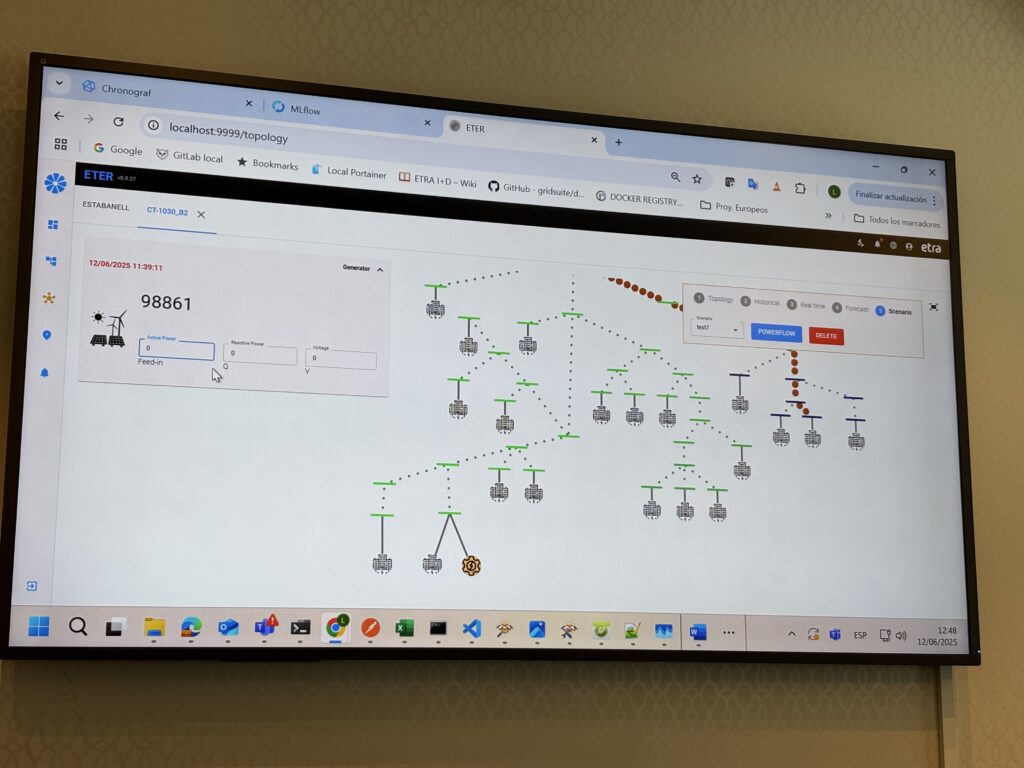
As part of the pilot activities, Estabanell recently completed a series of internal presentations of ETER and the ICCS tools with the Distribution System Operator’s operations teams. The sessions provided an opportunity to introduce the technologies to potential end users, demonstrate their functionalities and collect feedback based on their operational experience.
Overall, the feedback was positive, with particular interest in three functionalities that are currently not covered by Estabanell’s existing applications. These include capabilities offered by both ETER and the ICCS tools.
One of the aspects that attracted most attention was ETER’s ability to bring together different data sources in a single environment. By combining real-time information from medium- and low-voltage networks with state estimation algorithms, ETER’s digital twin can provide enhanced observability of the distribution grid.
The teams also highlighted the potential of ETER to support scenario analysis and operational planning. The tool can be used to explore how future changes in grid operation could affect power flows, as well as to assess how the availability of flexibility could help alleviate potential congestion.
Another area of interest was the advanced asset management tool developed by ICCS, particularly its potential to support decisions when purchasing new smart meters by providing additional information on their expected reliability and performance.
The sessions also identified aspects of the solutions that still require further refinement. This feedback will be used by the project partners to improve the tools and strengthen the user experience ahead of the next stages of the pilot.
Moving towards real flexibility activation
Alongside the validation of the technologies with distribution teams, the Spanish pilot has also taken an important step towards demonstrating flexibility in practice.
During the last weeks of July, ETRA, Estabanell and Hypertech carried out the flexibility activation tests planned for the pilot. The activities will continue throughout August, allowing the partners to further assess the performance of the solution and prepare for the next stages of the demonstration.
An encouraging result from the tests carried out so far is that flexibility activations have taken place without users noticing any impact on their service or comfort. This is an important aspect of the demonstration, showing how flexibility can be activated to support the electricity system while maintaining a seamless experience for end users.
The ongoing tests will provide further insights into how the different components developed within OPENTUNITY work together in a real pilot environment. Once the pilot is completed, the partners will analyse the results and share the main conclusions and lessons learned.
From technology validation to real-world demonstration
The latest activities mark an important transition for the Spanish pilot. By combining feedback from distribution professionals with practical flexibility activation tests, OPENTUNITY is moving beyond the development of individual technologies towards integrated, real-world validation.
The coming months will focus on completing the remaining demonstrations and analysing the results, helping the project assess how its solutions can contribute to more observable, flexible and efficient distribution grids while keeping end users at the centre.

Understanding User Acceptance of Flexible EV Car-Sharing Models
The transition towards more sustainable mobility is not only about developing new technologies. It also depends on understanding how people use these technologies and what would encourage them to adopt new ways of moving and consuming energy.
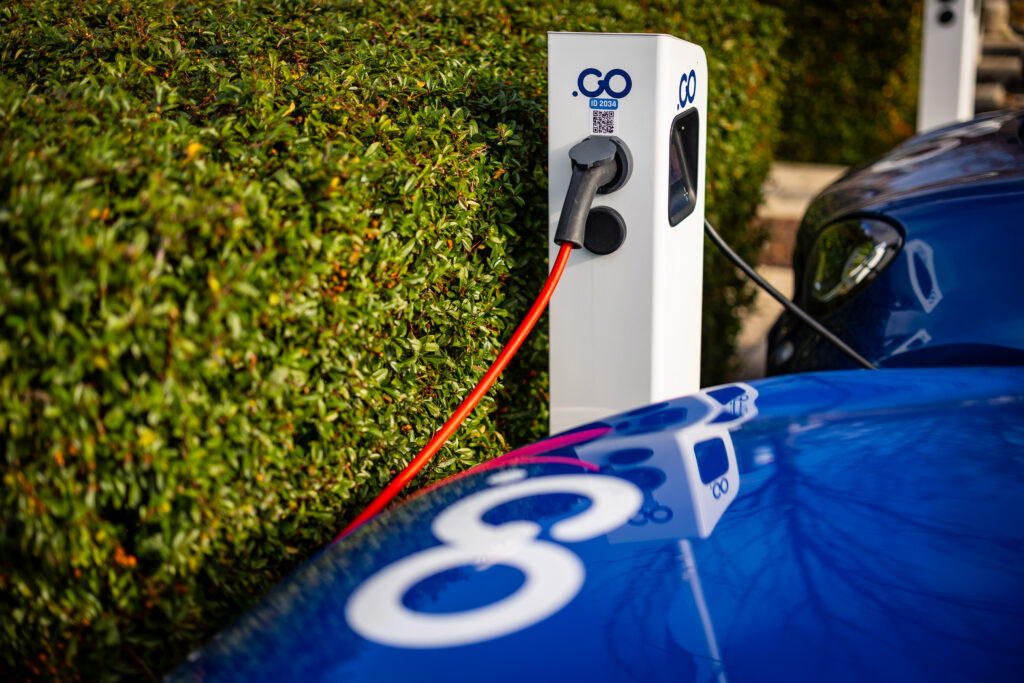
Mobility and housing are among the areas with the greatest impact on individuals’ private lifestyles and energy demand. As electric vehicles become increasingly common, new opportunities are emerging to connect mobility with the electricity system. One of these opportunities lies in combining car-sharing services with the flexibility offered by electric vehicle charging.
Within the OPENTUNITY project, Joanneum Research and Avantcar are working together to investigate how users perceive new car-sharing business models that make use of EV charging flexibility both at home and on the go.

Exploring the user perspective
These business models could enable electric vehicles to contribute more actively to the energy system. By adapting when and how vehicles are charged, it may be possible to make better use of renewable electricity and reduce pressure on the grid during periods of high demand.
However, the success of these solutions depends on more than their technical feasibility. Users need to see clear benefits and feel comfortable with the services being offered. For this reason, the research carried out by Joanneum Research and Avantcar focuses on understanding the factors that influence the acceptance of these new mobility and energy services.
A major strength of the study is that it is based on the opinions of nearly 1,000 actual car-sharing users, rather than relying solely on general public perceptions. This provides a more realistic picture of how potential users may react to the proposed business models.
Adapting the offer to different user needs could increase the size of the potential target groups by between 18% and 44%.
Looking at the complete user journey
The research covers the full experience of using the service, from making a reservation to returning the vehicle. This approach allows the project partners to examine how users might respond to the different steps involved in participating in more flexible EV charging schemes.
The study also goes beyond simply asking whether users are interested or not. It explores the reasons behind their responses, including more specific concerns such as comfort, financial benefits, fear of vehicle damage, or questions related to responsibility and liability.
Preliminary findings indicate that comfort and financial benefits are among the main drivers of user acceptance. At the same time, the research is now going further to identify how these motivations and concerns vary between different groups of users.
Unlocking the potential of new business models
A better understanding of users who express interest under certain conditions could significantly expand the potential target groups for these new business models. Based on the research conducted so far, adapting the offer to different user needs could increase the size of the potential target groups by between 18% and 44%.
Users need to see clear benefits and feel comfortable with the services being offered.
These insights will help Avantcar refine and validate the proposed business models in real-life conditions, ensuring that they are not only technically viable but also aligned with the expectations and concerns of potential users.
Through this collaboration, OPENTUNITY is contributing to a more integrated approach to the energy transition, one in which electric vehicles are not only a means of transport, but can also become a source of flexibility for the wider energy system. Understanding the people who will use these services is an essential step towards making that vision a reality.
Enhancing Grid Reliability in Slovenia: OPENTUNITY Deploys Advanced Transformer Monitoring
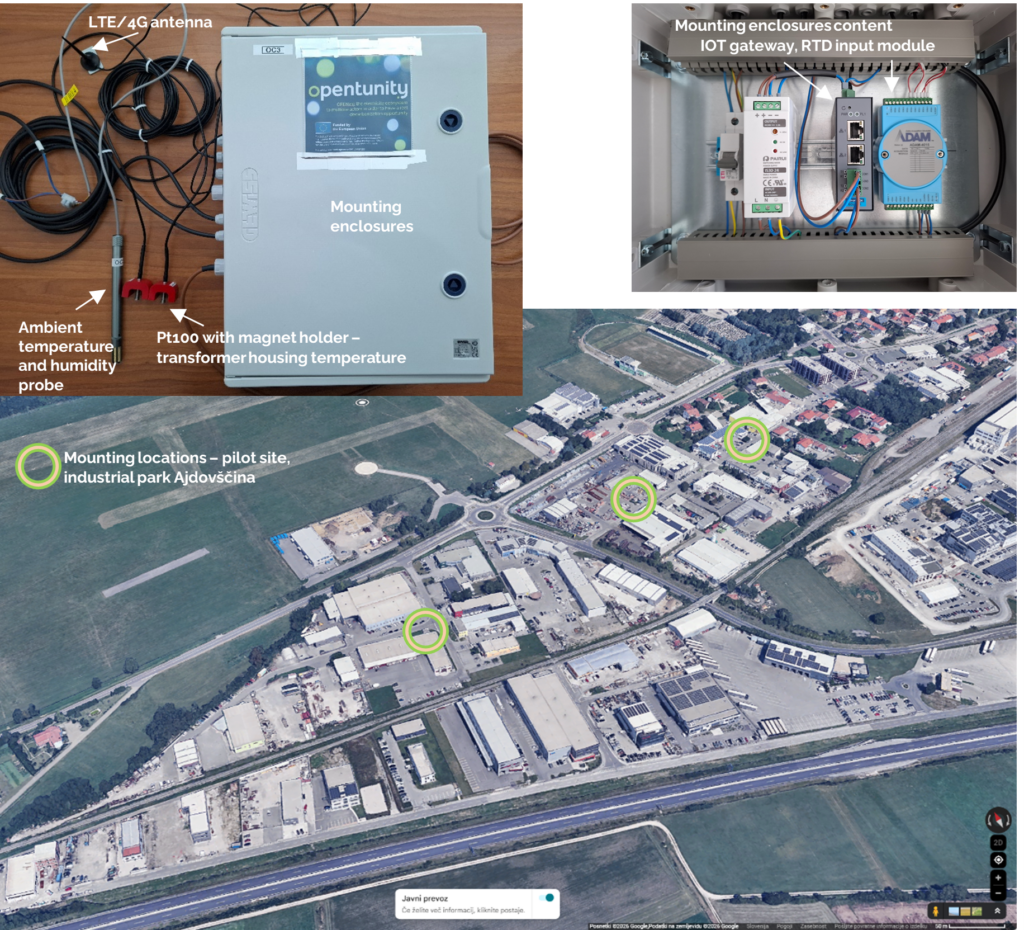
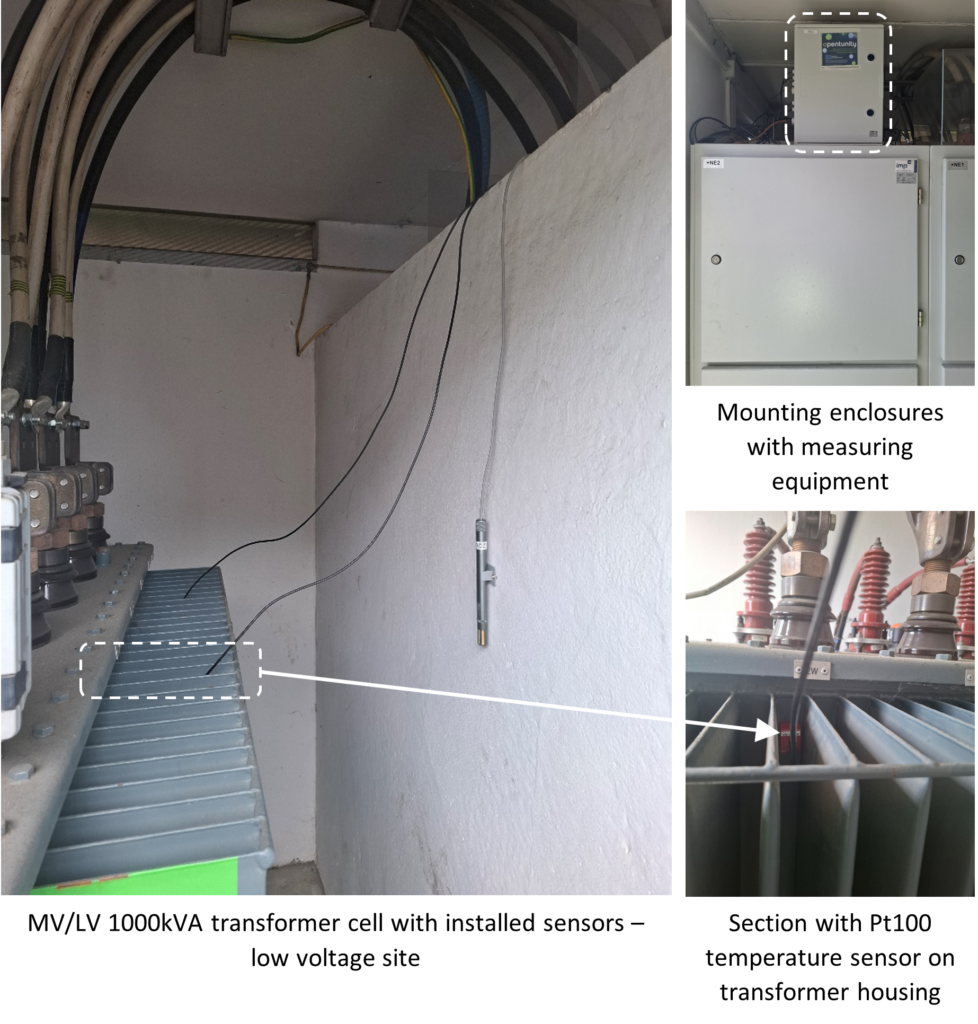
In the drive toward a more resilient and decarbonised European energy grid, monitoring critical infrastructure is paramount. On April 18, 2026, a significant milestone was reached in the Slovenian pilot site of the OPENTUNITY project. Our partner Elektro Primorska (EP), in collaboration with ICCS, successfully installed specialized measurement equipment on three Medium Voltage/Low Voltage (MV/LV) transformers located in the Ajdovščina industrial park.
The Challenge: Real-Time Asset Management
Power transformers are essential components of the electricity distribution network, but they are often the most vulnerable to failure. Traditionally, asset management has been a long-term process, looking at equipment health over months or years. However, to ensure grid stability, there is a growing need for short-term asset management.
The tool developed by ICCS is designed to operate in a near real-time context. Its primary goal is to identify transformers that may be on the verge of failure within hours, allowing operators to intervene before a blackout occurs.
Innovation through Indirect Measurement
To predict these failures, the tool requires precise data on transformer load current,
ambient temperature, and top-oil temperature. A technical challenge arises because many older MV/LV transformers are not equipped with built-in top-oil temperature sensors.
To solve this, the team at Elektro Primorska developed an innovative, purpose-built measuring system. Instead of invasive procedures, the system uses Pt100 sensors with magnet holders placed directly on the transformer housing. This allows for the indirect measurement of top-oil temperature through a direct correlation with the housing temperature.
A Robust Technical Setup for Smart Monitoring
The installation at the Ajdovščina pilot site features a high-tech stack of industrial components designed for reliability and speed:
- Data Acquisition: The system utilizes Advantech components, including IoT gateways and RTD input modules, for local data storage and transmission.
- Environmental Sensing: Along with transformer housing temperature, the system includes an ambient probe to measure surrounding air temperature and relative humidity.
- High-Speed Connectivity: Data is transmitted via a secure MQTT protocol over a mobile LTE/4G network.
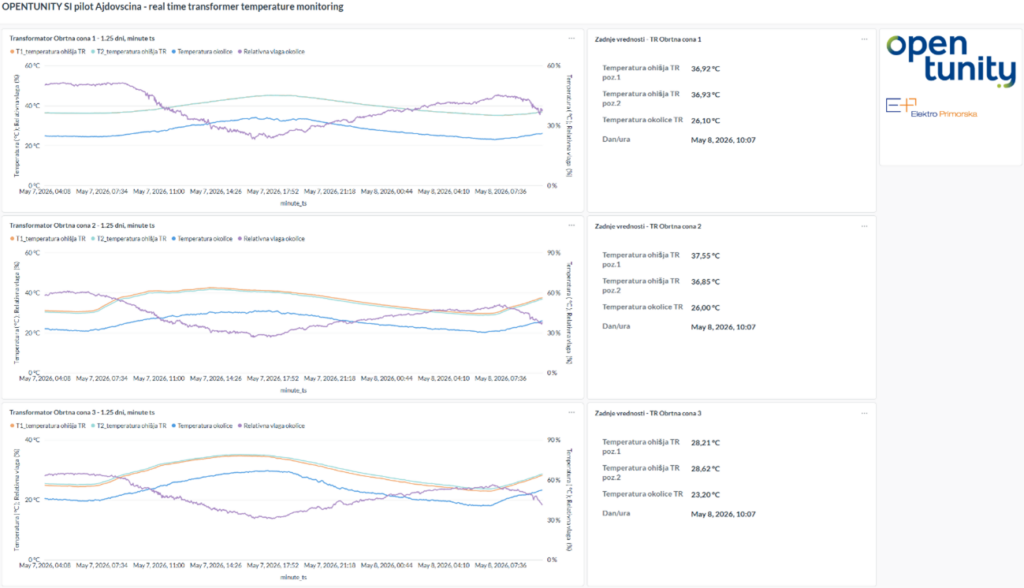
- Real-Time Visualization: Measurements are received at 5-second intervals and stored in an SQL database. This high frequency allows for a real-time dashboard where operators can monitor current and historical data instantly.
 Why This Matters for the Future of Energy
This activity falls under the OPENGRID category of the OPENTUNITY project, which focuses on supporting Distribution System Operators (DSOs) in managing grid issues more effectively. By transforming standard transformers into "smart" assets, Elektro Primorska is demonstrating how existing infrastructure can be upgraded to support a more flexible and digitalised energy ecosystem.
As part of the broader Slovenian pilot, which also involves portions of the grids of Elektro Ljubljana, these advancements are crucial for utilizing the flexibility potential of domestic assets and electric vehicles while maintaining a stable and secure grid.
--------------------------------------------------------------------------------
Project Overview
- Location: Ajdovščina industrial park, Slovenia.
- Partners Involved: Elektro Primorska (EP) and ICCS.
- Key Innovation: Indirect top-oil temperature monitoring for predictive maintenance.
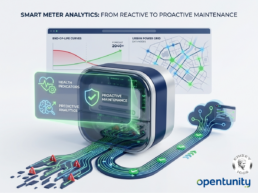
Enhancing Grid Reliability with OPENTUNITY’s Long-Term Asset Management Tool
Electricity networks are becoming increasingly dependent on digital field devices whose performance must be assessed over the full span of their service life. Among these assets, smart meters are particularly important, as their degradation can compromise data availability, increase maintenance effort, and ultimately affect the quality of grid operation.
Traditional asset replacement strategies, typically based on age or fixed maintenance intervals, are often too general to reflect the real condition and risk profile of such equipment. As grids become more digitalised, there is a growing need for more accurate and data-driven approaches to asset management.
A data-driven solution within OPENTUNITY
To address this need, ICCS has developed, within the OPENTUNITY project, a Long-Term Asset Management Tool focused on the reliability assessment of smart meters.
The solution leverages historical data from Advanced Metering Infrastructure
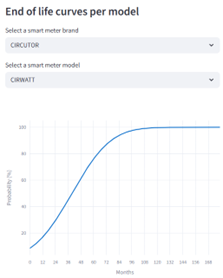
systems to model how assets age under real operating conditions. Based on this information, it estimates the probability of failure for different meter populations, providing system operators with a more realistic understanding of asset behaviour over time.
A key outcome of this analysis is the generation of End-of-Life curves for different types of smart meters. These curves help operators identify when specific models are expected to enter higher-risk phases, supporting more informed and timely decision-making.
From population trends to individual risk detection
In addition to long-term statistical analysis, the tool incorporates machine learning techniques applied to operational measurements. This allows the identification of individual devices that may present an increased risk of failure, even if they are not yet part of a broader trend.
By combining population-level insights with device-specific analysis, the tool enables early detection of potential issues and helps prevent failures before they become widespread.
Supporting decision-making through an intuitive interface
The Long-Term Asset Management Tool is supported by a user-friendly interface designed to facilitate its integration into daily operations. Through this platform, users can upload meter and substation data, review key performance indicators, and explore reliability trends across their asset base.
Operators can also compare the performance of different meter models, estimate expected failures over selected time horizons, and identify critical devices that require priority attention. The inclusion of geographic visualisation further supports this process, offering a clearer view of how risks are distributed across the network.
Towards proactive and efficient maintenance strategies
By linking statistical reliability analysis with data-driven risk detection, the tool provides utilities with a solid basis for medium- and long-term planning. It supports a transition from reactive maintenance practices to a more proactive and targeted approach, where decisions are based on actual asset condition rather than predefined schedules.
This shift enables better allocation of maintenance resources, reduces operational costs, and improves the overall reliability of the digital infrastructure that underpins modern power systems.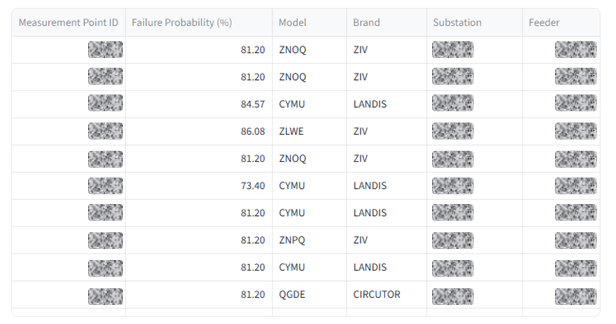
Strengthening the foundations of future power systems
As electricity networks continue to evolve, ensuring the reliability of digital assets such as smart meters becomes increasingly critical. The Long-Term Asset Management Tool developed within OPENTUNITY represents an important step in this direction, providing system operators with the tools they need to manage complexity and enhance grid resilience.

OPENTUNITY and the Rise of AI in Energy
A new report by the International Energy Agency (IEA), titled "Energy and AI", offers a comprehensive, data-driven analysis of how artificial intelligence (AI) is poised to reshape the global energy landscape. The report emphasizes both the transformative potential of AI and the energy challenges it may bring, particularly concerning the soaring electricity demand of data centers.
According to the IEA, the electricity demand from data centers could more than double by 2030, reaching 945 TWh—more than the current total electricity consumption of Japan. AI-optimized data centers are expected to account for the majority of this increase. In countries like the United States, data centers could drive nearly half of the projected electricity demand growth over the next five years.
Yet, while the rising energy consumption poses challenges, the report also highlights how AI can offer powerful solutions: reducing costs, enhancing system efficiency, increasing competitiveness, and lowering emissions. These insights align closely with OPENTUNITY’s mission.
 What This Means for OPENTUNITY
The OPENTUNITY project is dedicated to designing and testing innovative energy solutions that promote digitalization, flexibility, and sustainability in the energy system. AI plays an increasingly important role in enabling smarter, data-driven decision-making across the energy value chain—from optimizing grid operations to empowering end-users to manage their consumption more efficiently.
Several OPENTUNITY innovations, such as federated data exchange frameworks, intelligent grid flexibility mechanisms, and user-centered energy management tools, are designed to not only accommodate but leverage AI technologies. As the IEA report points out, such technologies can help mitigate the growing demand of AI itself by improving the overall energy system’s efficiency and enabling cleaner energy integration.
Bridging Innovation and Infrastructure
A critical point in the IEA report is the urgent need for investment in generation and grid infrastructure to support AI’s rising electricity demand. This complements one of OPENTUNITY’s key areas of focus: enhancing grid flexibility and promoting better coordination between distribution system operators (DSOs), transmission system operators (TSOs), and end-users.
Through its pilot projects across Europe, including initiatives focused on smart grid management, local flexibility markets, and data sovereignty, OPENTUNITY directly contributes to the kind of systemic transformation the IEA envisions—where technology, policy, and infrastructure evolve together to unlock a sustainable energy future.
 Looking Forward
The IEA also notes that the full potential of AI in the energy sector will require strong cooperation between policymakers, technology providers, and energy stakeholders. This spirit of collaboration is at the heart of the OPENTUNITY project, bringing together 21 partners from 9 countries to develop interoperable solutions that are scalable across Europe.
As AI becomes more deeply embedded in both scientific discovery and energy system operations, OPENTUNITY will continue to explore its role in accelerating clean energy innovation and ensuring that digital technologies remain aligned with Europe’s sustainability goals.
📄 Explore the full IEA report here: IEA Energy and AI Report
Want to learn how OPENTUNITY is preparing for an AI-driven energy future? Follow us for more updates.

OPENTUNITY at the BRIDGE General Assembly 2025
OPENTUNITY is proud to participate in the BRIDGE General Assembly 2025, an essential gathering that brings together key players from EU-funded projects in the fields of smart grids, energy storage, islands, and digitalization. This annual event serves as a platform for knowledge exchange, collaboration, and strategic alignment to accelerate the European energy transition.
What is BRIDGE?
BRIDGE is an initiative by the European Commission that unites Horizon 2020 and Horizon Europe projects working on smart grids, demand response, energy communities, and digitalization. By fostering collaboration between projects, BRIDGE helps create a coherent regulatory, technical, and market framework that supports innovation and integration across the European energy landscape.
Through dedicated working groups and task forces, BRIDGE facilitates discussion on key topics such as:
- Regulatory framework for new market models.
- Data management and interoperability in digitalized energy systems.
- Business models for flexibility and storage services.
- Consumer and citizen engagement strategies.
The BRIDGE General Assembly: Objectives and Key Discussions
The BRIDGE General Assembly is a key event that brings together all participating projects to:
- Share project results and best practices.
- Discuss policy and regulatory developments impacting the energy transition.
- Align efforts across projects to maximize impact.
- Identify synergies between different initiatives.
This year’s assembly focused on scaling up innovative solutions and reinforcing the role of digitalization and flexibility markets in achieving Europe’s clean energy goals.

Why OPENTUNITY’s Participation Matters
OPENTUNITY is committed to contributing to BRIDGE by sharing insights from our work on flexibility markets, data-driven grid management, and citizen engagement. Our participation allows us to:
- Showcase how OPENTUNITY innovations support DSO-TSO coordination and local flexibility markets.
- Exchange expertise on interoperability, data spaces, and digital energy platforms.
- Strengthen partnerships with other EU-funded projects and stakeholders.
- Influence the policy and regulatory discussions shaping the future of the European energy system.

Looking ahead
Engagement in BRIDGE activities is crucial for ensuring that the solutions developed in OPENTUNITY align with broader European objectives and remain at the forefront of energy system transformation.

ENLIT's Exclusive Interview with OPENTUNITY's Project Coordinator
ENLIT's Exclusive Interview with OPENTUNITY's Project Coordinator
30/10/2023
During the European Sustainable Energy Week 2023, Alvaro Nofuentes, the project coordinator of OPENTUNITY, had the privilege of being interviewed by the Enlit team.
This insightful interview served as a platform for our project coordinator to not only introduce the OPENTUNITY project but also to delve into the pressing challenges within the renewable energy sector, highlighting the continuous demand for a skilled workforce and technological advancements. Despite these challenges, he conveyed an optimistic outlook regarding the progress being achieved in the field.
The conversation took an interesting turn towards the realm of digitalization, with Alvaro emphasizing the transformative effects of smart meter rollouts. These rollouts play a pivotal role in democratising energy data, making it accessible to consumers and providing invaluable insights for grid operators.
In discussions about the role of policy, he commended the European Commission’s BRIDGE Initiative for its role in fostering collaboration among various smart grid projects. He also underscored the Commission’s supportive role in shaping potential new regulations.
Our project coordinator’s insights serve as a powerful reminder of the significance of collaborative efforts in reaching sustainable energy objectives. The OPENTUNITY project serves as a clear demonstration of the steadfast dedication to overcoming obstacles and embracing digitalisation, ultimately playing a role in creating a greener and more efficient energy landscape.

OPENTUNITY Team Explores Greek Pilot Site
OPENTUNITY Team Explores Greek Pilot Site
12/05/2023
Between 9-10 May, The OPENTUNITY consortium marked Europe Day in Athens with the 2nd Plenary Meeting of the project, providing an excellent opportunity for in-depth discussions and idea exchange regarding the project’s ongoing progress alongside the partners. The gathering served as a catalyst for continued collaboration, ensuring substantial headway in the project’s development.
A key highlight of this gathering was the visit to the ΔΕΔΔΗΕ Α.Ε. HEDNO S.A. facilities in Athens, which afforded the consortium a more comprehensive understanding of our pilot site in Greece.
Situated in Mesogia, in the southeastern part of Attica near Athens, the Greek pilot site is home to the Markopoulo Substation. This substation, situated at the confluence of the transmission and distribution systems, transforms voltage from the 150kV (part of TS) level to the 20kV level (part of DS). Its purpose is to supply power to 2812 residences and 123 commercial establishments.
The site boasts three 150kV/20kV transformers, each with a rated apparent power of 40/50MVA, adequately meeting the load requirements of the connected consumers. To support voltage, a capacitor bank with a capacity of 24MVar is deployed on the MV side. The pilot exhibits an impressive 27.043 MW of photovoltaic plants connected to the distribution network. HEDNO, as the DSO, IPTO as the TSO, and ICCS as the IT supporter are the principal partners involved in this endeavor.
What advantages will OPENTUNITY bring to this pilot?
Primarily, the project will enhance network observability by implementing OPENTUNITY’s topology identification and state estimation techniques in grid areas with limited monitoring equipment. This enhancement supports more intelligent grid management across the entire network.
The pilot will also introduce new planning methodologies, employing OPENTUNITY’s grid planning optimization to accommodate the integration of new distributed renewable energy sources (RES) and to facilitate the integration of electromobility and Combined Heat and Power (CHP) into the grid.
Additionally, the pilot will conduct local flexibility market testing with the assistance of Flexibility Market Operator NODES, responsible for operating the local market and managing interactions between the DSO and flexibility providers.
Lastly, TSO/DSO collaboration will be fortified through enhanced data sharing utilizing the OPENTUNITY blockchain. This ensures efficient and cyber-secure data exchange, ultimately promoting more harmonious grid management between medium-voltage (MV) and high-voltage (HV) lines.


