


Understanding User Acceptance of Flexible EV Car-Sharing Models
The transition towards more sustainable mobility is not only about developing new technologies. It also depends on understanding how people use these technologies and what would encourage them to adopt new ways of moving and consuming energy.
Mobility and housing are among the areas with the greatest impact on individuals’ private lifestyles and energy demand. As electric vehicles become increasingly common, new opportunities are emerging to connect mobility with the electricity system. One of these opportunities lies in combining car-sharing services with the flexibility offered by electric vehicle charging.
Within the OPENTUNITY project, Joanneum Research and Avantcar are working together to investigate how users perceive new car-sharing business models that make use of EV charging flexibility both at home and on the go.

Exploring the user perspective
These business models could enable electric vehicles to contribute more actively to the energy system. By adapting when and how vehicles are charged, it may be possible to make better use of renewable electricity and reduce pressure on the grid during periods of high demand.
However, the success of these solutions depends on more than their technical feasibility. Users need to see clear benefits and feel comfortable with the services being offered. For this reason, the research carried out by Joanneum Research and Avantcar focuses on understanding the factors that influence the acceptance of these new mobility and energy services.
A major strength of the study is that it is based on the opinions of nearly 1,000 actual car-sharing users, rather than relying solely on general public perceptions. This provides a more realistic picture of how potential users may react to the proposed business models.
Adapting the offer to different user needs could increase the size of the potential target groups by between 18% and 44%.
Looking at the complete user journey
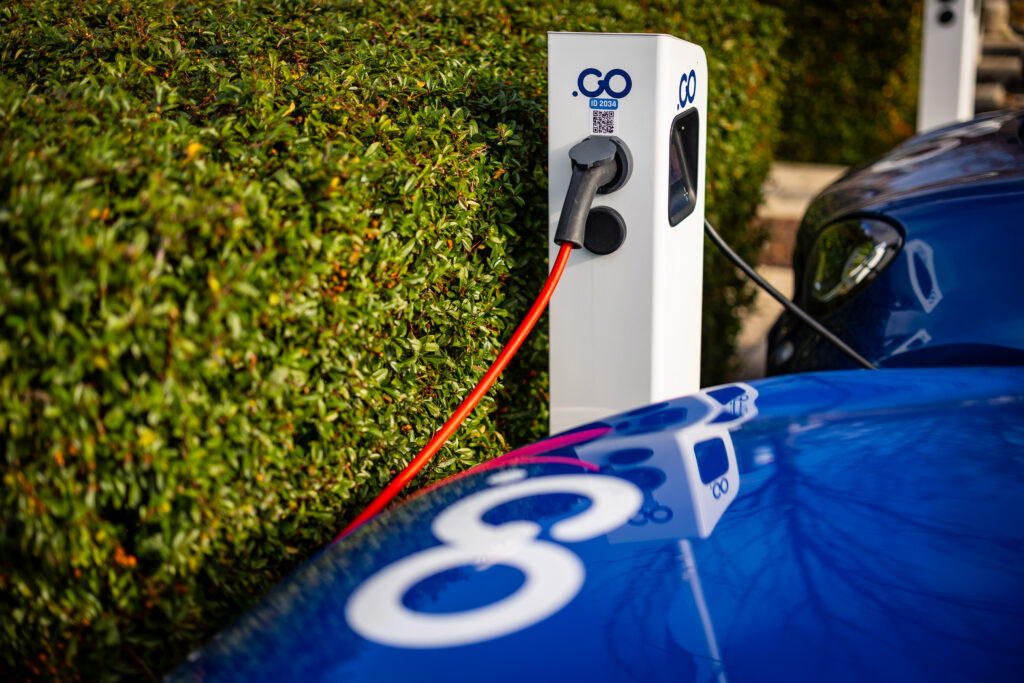
The research covers the full experience of using the service, from making a reservation to returning the vehicle. This approach allows the project partners to examine how users might respond to the different steps involved in participating in more flexible EV charging schemes.
The study also goes beyond simply asking whether users are interested or not. It explores the reasons behind their responses, including more specific concerns such as comfort, financial benefits, fear of vehicle damage, or questions related to responsibility and liability.
Preliminary findings indicate that comfort and financial benefits are among the main drivers of user acceptance. At the same time, the research is now going further to identify how these motivations and concerns vary between different groups of users.
Unlocking the potential of new business models
A better understanding of users who express interest under certain conditions could significantly expand the potential target groups for these new business models. Based on the research conducted so far, adapting the offer to different user needs could increase the size of the potential target groups by between 18% and 44%.
Users need to see clear benefits and feel comfortable with the services being offered.
These insights will help Avantcar refine and validate the proposed business models in real-life conditions, ensuring that they are not only technically viable but also aligned with the expectations and concerns of potential users.
Through this collaboration, OPENTUNITY is contributing to a more integrated approach to the energy transition, one in which electric vehicles are not only a means of transport, but can also become a source of flexibility for the wider energy system. Understanding the people who will use these services is an essential step towards making that vision a reality.