


Consumers and Citizens Engagement
Inside the Greek Citizen Engagement Workshop
On July, 2026, the OPENTUNITY Greek Pilot reached a significant milestone in its mission to place citizens at the heart of the energy transition. In a collaborative effort, partners HEDNO, IPTO, HYPERTECH and ICCS, under the strategic guidance of JOANNEUM RESEARCH, hosted a dynamic online workshop titled:
"Becoming Part of the Energy Future – How OPENTUNITY Empowers Citizens and Professionals".
Bridging the Gap: From Technical Concepts to Daily Benefits
The primary goal of the session was to strip away complex technical jargon and introduce the OPENTUNITY ecosystem in a simple, engaging way. Rather than focusing solely on engineering, the workshop highlighted how small changes in everyday energy consumption can collectively improve the stability of the national electricity system.
Participants explored the necessity of smart grids and flexibility services, discovering how these innovations allow households to transition from passive consumers to active partners who benefit directly from new digital energy services.
An Interactive Look at the Future Grid
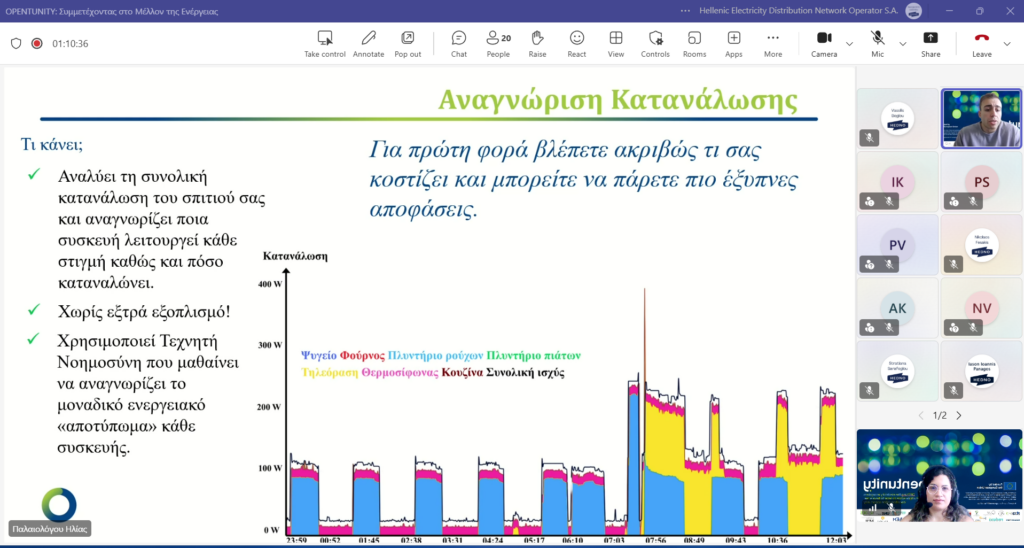
To keep the two-hour session engaging for its 23 participants, the presenters utilised interactive live polls via QR codes and short videos to illustrate key concepts. The comprehensive agenda covered:
- The Big Picture: An introduction to the OPENTUNITY project and the specific challenges facing today’s electricity system.
- Defining Flexibility: Why smart grids are essential for the modern energy landscape and how flexibility benefits both the system and the consumer.
- Live Tool Demonstrations: A first-hand look at the innovations driving the project, including NILM (Non-Intrusive Load Monitoring), HEMS/BEMS (Home/Building Energy Management Systems), the Network Planning Tool, and the Local Flexibility Market.
Strengthening DSO-TSO Synergies in Greece
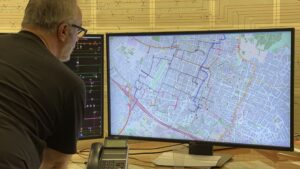
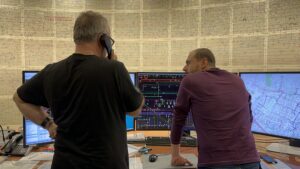
The workshop is a core part of the activities in the Greek pilot site, which covers the Mesogia area (Koropi, Lavrio, and N. Makri) as well as the interconnected islands of Kea, Andros, and Tinos. A key focus of this pilot is increasing the digitalisation of both the DSO (HEDNO) and the TSO (IPTO) while establishing vital synergies between them to better manage grid operations.
The Human Element of the Energy Transition
The event concluded with an open discussion where experts shared their views on how these digital tools can be practically adopted in daily life. By fostering this direct dialogue, OPENTUNITY continues to ensure that the European energy ecosystem is not just technically advanced, but truly user-centric and accessible to all citizens.

To explore more about our innovations or to view technical details on our Greek pilot:

Understanding User Acceptance of Flexible EV Car-Sharing Models
The transition towards more sustainable mobility is not only about developing new technologies. It also depends on understanding how people use these technologies and what would encourage them to adopt new ways of moving and consuming energy.
Mobility and housing are among the areas with the greatest impact on individuals’ private lifestyles and energy demand. As electric vehicles become increasingly common, new opportunities are emerging to connect mobility with the electricity system. One of these opportunities lies in combining car-sharing services with the flexibility offered by electric vehicle charging.
Within the OPENTUNITY project, Joanneum Research and Avantcar are working together to investigate how users perceive new car-sharing business models that make use of EV charging flexibility both at home and on the go.

Exploring the user perspective
These business models could enable electric vehicles to contribute more actively to the energy system. By adapting when and how vehicles are charged, it may be possible to make better use of renewable electricity and reduce pressure on the grid during periods of high demand.
However, the success of these solutions depends on more than their technical feasibility. Users need to see clear benefits and feel comfortable with the services being offered. For this reason, the research carried out by Joanneum Research and Avantcar focuses on understanding the factors that influence the acceptance of these new mobility and energy services.
A major strength of the study is that it is based on the opinions of nearly 1,000 actual car-sharing users, rather than relying solely on general public perceptions. This provides a more realistic picture of how potential users may react to the proposed business models.
Adapting the offer to different user needs could increase the size of the potential target groups by between 18% and 44%.
Looking at the complete user journey
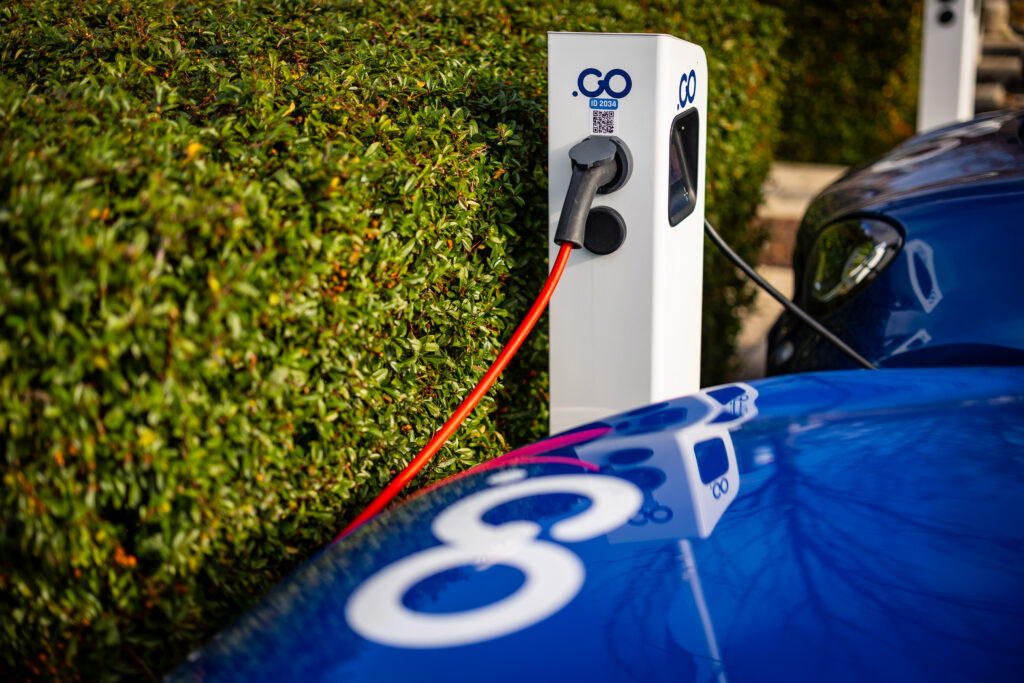
The research covers the full experience of using the service, from making a reservation to returning the vehicle. This approach allows the project partners to examine how users might respond to the different steps involved in participating in more flexible EV charging schemes.
The study also goes beyond simply asking whether users are interested or not. It explores the reasons behind their responses, including more specific concerns such as comfort, financial benefits, fear of vehicle damage, or questions related to responsibility and liability.
Preliminary findings indicate that comfort and financial benefits are among the main drivers of user acceptance. At the same time, the research is now going further to identify how these motivations and concerns vary between different groups of users.
Unlocking the potential of new business models
A better understanding of users who express interest under certain conditions could significantly expand the potential target groups for these new business models. Based on the research conducted so far, adapting the offer to different user needs could increase the size of the potential target groups by between 18% and 44%.
Users need to see clear benefits and feel comfortable with the services being offered.
These insights will help Avantcar refine and validate the proposed business models in real-life conditions, ensuring that they are not only technically viable but also aligned with the expectations and concerns of potential users.
Through this collaboration, OPENTUNITY is contributing to a more integrated approach to the energy transition, one in which electric vehicles are not only a means of transport, but can also become a source of flexibility for the wider energy system. Understanding the people who will use these services is an essential step towards making that vision a reality.

OPENTUNITY Joins EUSEW 2025 to Showcase Innovation in Energy Flexibility
We are thrilled to announce that OPENTUNITY will be present at the EU Sustainable Energy Week (EUSEW) 2025, the EU’s flagship event on renewables and energy efficiency. This year’s edition takes place in Brussels, gathering energy stakeholders from across Europe to discuss policies, trends, and innovations shaping a sustainable energy future.
You can find us at Booth C5, 2nd Floor of the Charlemagne Building, where we will be presenting the latest advances from our project and engaging with other key players in the energy transition.
At EUSEW, OPENTUNITY will showcase its integrated approach to unlocking flexibility across the energy system through its four core pillars:
- OPENFLEX: enabling consumers and prosumers to offer flexibility through smart home/building tools, with live pilot testing underway in Slovenia, Spain, Greece and Switzerland. Recent progress includes the integration of EV charging infrastructure and HEMS/BEMS platforms, as well as the development of AI models for flexibility forecasting.
- OPENGRID: supporting DSOs and TSOs with innovative grid management solutions. Among the tools currently being validated in all four pilot countries is our State Estimation module — designed for improved real-time grid visibility — and low-cost thermal rating tools that optimize asset usage.
- OPENSPACE: building a Federated Data Exchange Infrastructure. We have recently achieved a major milestone with the completion of the architectural foundation and Proof-of-Concepts for trusted data sharing services.
- OPENABILITY: promoting interoperability through alignment with European standards. The updated Standardization Action Plan provides a clear roadmap for OPENTUNITY’s contributions to ongoing regulatory and technical standardisation efforts.
Our participation in EUSEW is more than just an exhibition — it’s a step toward reinforcing OPENTUNITY’s role in Europe's digital and sustainable energy transformation. Come meet us at the EUSEW to learn how we are building scalable, replicable and interoperable solutions that empower energy actors across Europe.
Join us at Booth C5 and discover how OPENTUNITY is helping to shape the flexible energy system of tomorrow.

OPENTUNITY at the BRIDGE General Assembly 2025
OPENTUNITY is proud to participate in the BRIDGE General Assembly 2025, an essential gathering that brings together key players from EU-funded projects in the fields of smart grids, energy storage, islands, and digitalization. This annual event serves as a platform for knowledge exchange, collaboration, and strategic alignment to accelerate the European energy transition.
What is BRIDGE?
BRIDGE is an initiative by the European Commission that unites Horizon 2020 and Horizon Europe projects working on smart grids, demand response, energy communities, and digitalization. By fostering collaboration between projects, BRIDGE helps create a coherent regulatory, technical, and market framework that supports innovation and integration across the European energy landscape.
Through dedicated working groups and task forces, BRIDGE facilitates discussion on key topics such as:
- Regulatory framework for new market models.
- Data management and interoperability in digitalized energy systems.
- Business models for flexibility and storage services.
- Consumer and citizen engagement strategies.
The BRIDGE General Assembly: Objectives and Key Discussions
The BRIDGE General Assembly is a key event that brings together all participating projects to:
- Share project results and best practices.
- Discuss policy and regulatory developments impacting the energy transition.
- Align efforts across projects to maximize impact.
- Identify synergies between different initiatives.
This year’s assembly focused on scaling up innovative solutions and reinforcing the role of digitalization and flexibility markets in achieving Europe’s clean energy goals.

Why OPENTUNITY’s Participation Matters
OPENTUNITY is committed to contributing to BRIDGE by sharing insights from our work on flexibility markets, data-driven grid management, and citizen engagement. Our participation allows us to:
- Showcase how OPENTUNITY innovations support DSO-TSO coordination and local flexibility markets.
- Exchange expertise on interoperability, data spaces, and digital energy platforms.
- Strengthen partnerships with other EU-funded projects and stakeholders.
- Influence the policy and regulatory discussions shaping the future of the European energy system.

Looking ahead
Engagement in BRIDGE activities is crucial for ensuring that the solutions developed in OPENTUNITY align with broader European objectives and remain at the forefront of energy system transformation.

Engaging Citizens in the Greek Pilot Site
As part of its citizen engagement strategy, HEDNO, the leader of the Greek Pilot within the OPENTUNITY project, has developed a preliminary registration form for users interested in participating. This initiative aims to gather valuable insights from potential participants while fostering a deeper connection between citizens and the project.
Preliminary Registration and Initial Findings
The registration form was designed to collect essential user information, including:
- First Name
- Last Name
- City
- Phone Number
- Consent to receive informational material on the development of the Greek Pilot
- Interest in volunteering for technologies developed within the project
Initially, the form was shared with individuals familiar with OPENTUNITY for preliminary feedback. The results indicated that while users were open to receiving updates on the project, many were hesitant to volunteer for direct participation in the network operation tools. This reluctance was expected, as there were no clearly defined incentives for participation.

Addressing Participation Barriers: Refining the Approach
To better understand user motivations and encourage greater involvement, the form was updated with an additional question:
“Which of the following incentives would encourage you to voluntarily participate in the technologies developed in OPENTUNITY?”
The multiple-choice options included:
A. Improvement of environmental footprint
B. Smoother operation of the grid
C. Benefits from participating as a flexibility service provider
D. None of the above
E. Other (please specify)
By incorporating this question, HEDNO aims to gain deeper insights into what drives user engagement and how best to align OPENTUNITY’s offerings with citizen expectations. The responses to this refined questionnaire will help shape future outreach efforts and improve participation rates.
Next Steps and Participation
The updated registration form remains available for new users to express their interest and provide feedback. OPENTUNITY is committed to fostering an inclusive and engaging experience for citizens, ensuring that participation in the Greek Pilot is both beneficial and impactful for all involved.
Stay tuned for further updates as we continue to refine our approach and enhance citizen involvement in OPENTUNITY!

OPENTUNITY participates in the BRIDGE General Assembly 2024
OPENTUNITY participates in the BRIDGE General Assembly 2024
12/04/2024
The BRIDGE General Assembly of 2024 convened on April 9th and 10th, embracing a hybrid format with sessions held both in Brussels and streamed online. Among the participants were representatives from the OPENTUNITY project, namely partners Joanneum Research and ETRA, actively participating in the session of the Working Group on Consumers and Citizens Engagement.
Throughout the assembly, participants were enriched with insights into the accomplishments of the BRIDGE Working Groups during the 2023-2024 term, delving into the invaluable lessons learned from completed BRIDGE projects and exploring various initiatives shaping the energy landscape. Engaging discussions ensued, examining avenues for enhancing the BRIDGE initiative and addressing cross-Working Group concerns.
Central to the discourse were the European Commission’s aspirations for fostering a competitive European industry, with particular emphasis on modernizing the grid to align with the demands of a dynamic energy ecosystem and advancing the development of artificial intelligence applications.
Looking ahead, the Consumer and Citizen Engagement Working Group is poised to intensify its focus on Energy Communities, and broaden stakeholder engagement beyond consumers and citizens to encompass regulators, aggregators, TSOs, DSOs, and others, while prioritizing inclusivity in user engagement efforts.
Meanwhile, the Data Management Working Group is forging ahead with the establishment and expansion of a comprehensive use-case repository, emphasizing practical tools, and refining the Reference Framework to bolster interoperability among home applications.
Similarly, the Business Models Working Group is redoubling its efforts on knowledge sharing within its domain and contributing to the development of the Common European Data space.
Lastly, the Regulations Working Group is capitalising on synergies with ETIP SNET/ISGAN, fostering closer collaboration among BRIDGE Working Groups, and aligning with ongoing policy initiatives through enhanced coordination efforts.