


Month: April 2026
ICCS-NTUA Presents Advanced Transformer Monitoring Research at ISGT Europe 2025 in Malta
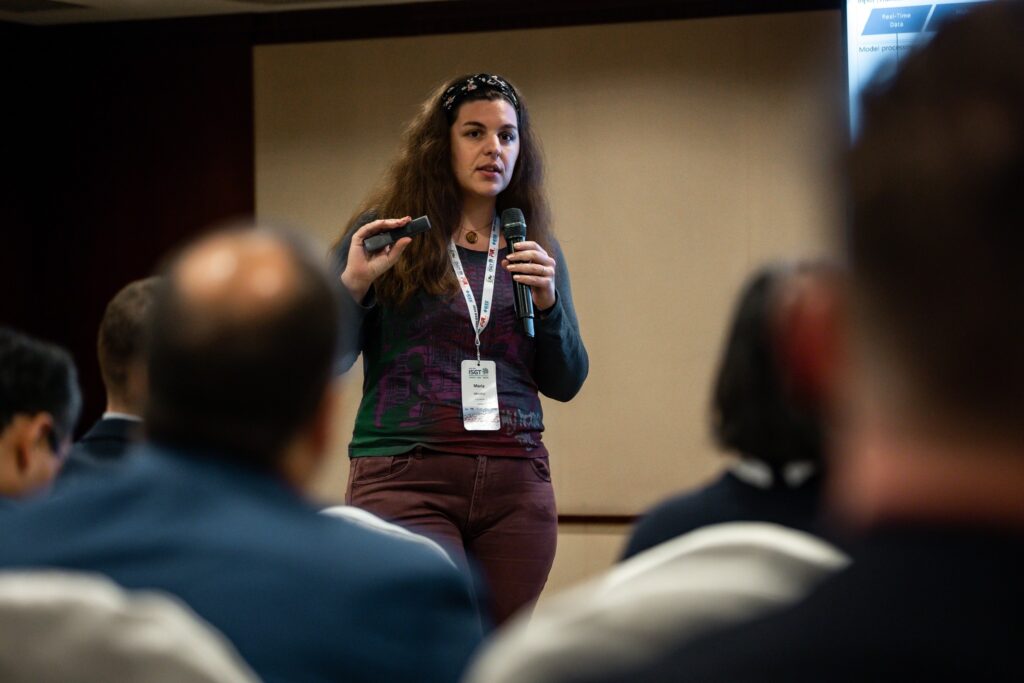
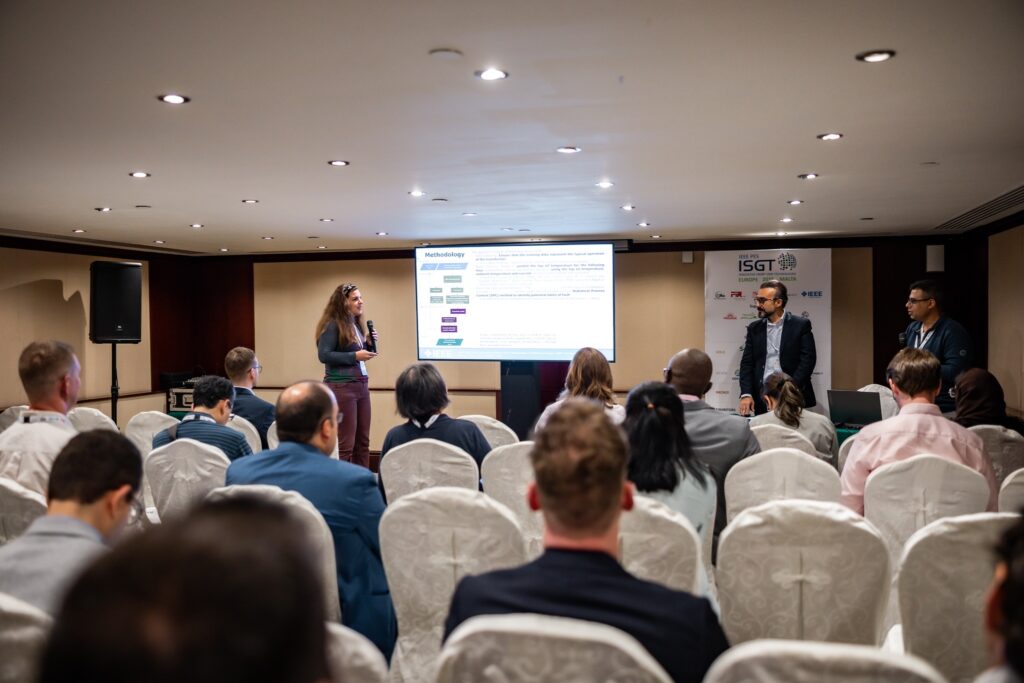
From October 20 to 23, 2025, the ICCS-NTUA team successfully represented the Opentunity project at the IEEE Innovative Smart Grid Technologies (ISGT) Europe 2025 conference in Malta. Organized by IEEE PES, FIR.MT, and the IEEE Malta section, this prestigious forum brought together leading experts from the scientific community and the energy industry to explore the latest innovations in smart grid reliability.
Addressing Critical Infrastructure Risks
Power transformers are the backbone of the grid, but their failure can lead to cascading outages and significant financial losses.
Traditional monitoring methods are often reactive or rely on expensive,
specialized sensors. To address this, the research presented by ICCS-NTUA, titled "Data Driven Model Agnostic Methodology for Transformers Top Oil Anomaly Detection," proposes a proactive, predictive maintenance approach.
The core of the study is a methodology that detects anomalies in top-oil temperature, a primary indicator of a transformer's health. Unlike complex physical models, this approach is "model-agnostic," meaning it can be applied across different types of equipment using only minimal, standard measurements: load current, ambient temperature, and top-oil temperature.
Innovative Methodology and Real-World Validation
The research combines Deep Neural Networks (DNN) with Statistical Process Control (SPC). The process involves:
- Predictive Modeling: A machine learning model is trained on historical data to predict the expected top-oil temperature under normal conditions.
- Anomaly Detection: By comparing real-time measurements against these predictions, the system uses SPC control charts to identify deviations that signify potential faults, such as cooling pump failures or insulation degradation.
The effectiveness of this tool was validated using data from two real-world autotransformers currently operating in the Greek Transmission System. The results showed a high predictive accuracy, with R² values exceeding 0.98. Crucially, the methodology successfully identified anomalies that correlated with significant deviations in bushing capacitance, a clear diagnostic indicator of a developing issue.
Impact and Reception
The presentation was highly valued by attendees, who particularly praised the quality and accessibility of the dataset used for the research. The technical session also sparked a productive debate regarding the algorithm's ability to distinguish between noise and real-world operational anomalies, highlighting the relevance of this work for future industrial applications.
By utilizing data already available via standard SCADA systems, this Opentunity-funded research provides grid operators with a cost-effective early warning system, enabling them to make informed maintenance decisions before a critical failure occurs.
Read the Full Paper
For a detailed look at the technical implementation, mathematical models, and complete case study results, you can access the full publication here:
Download Link: Data Driven Model Agnostic Methodology for Transformers Top Oil Anomaly Detection


OPENTUNITY Advances Smart Energy Management with NILM Pilot Testing
Bringing appliance-level insights to users
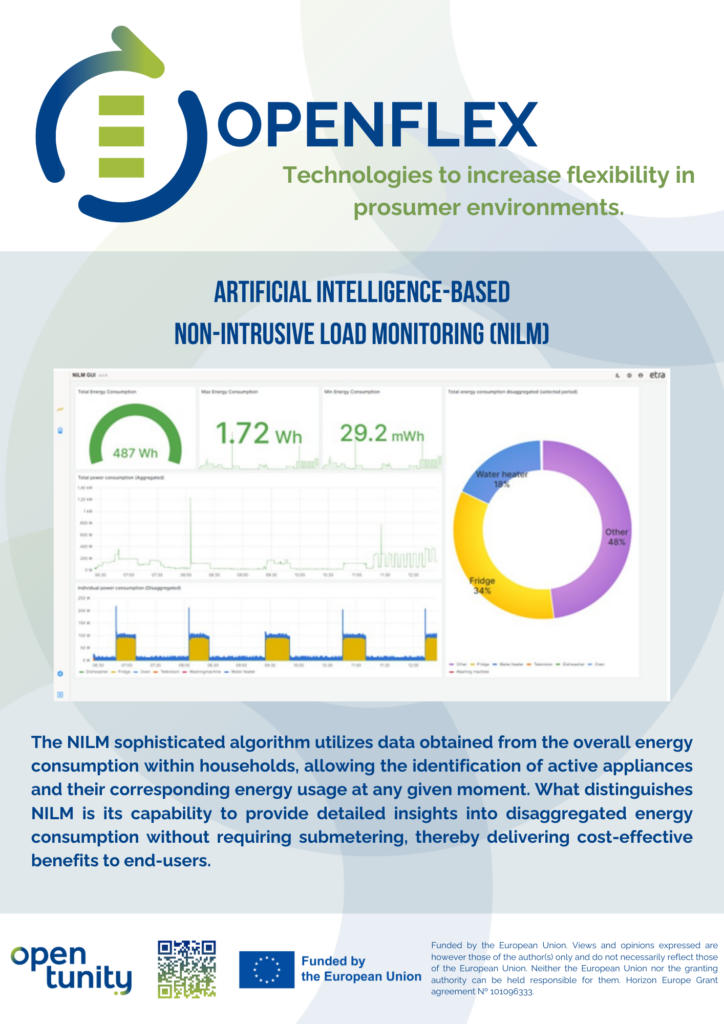
The OPENTUNITY project has recently started testing its Non-Intrusive Load Monitoring (NILM) module with participants across its pilot sites.
Users can now access the application and monitor the energy consumption of individual appliances in their homes or buildings, without the need for additional hardware.
From static labels to real performance
Early feedback highlights the app’s user-friendly design and the value of its dynamic energy label certification. This feature allows users to compare the real-time performance of their appliances with the static labels provided by manufacturers, helping to identify inefficiencies or potential malfunctions.
By making energy consumption more transparent, the tool supports more informed decisions and encourages more efficient use of energy.
Scaling up at European level
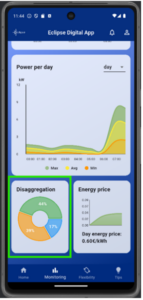 Beyond the pilot phase, OPENTUNITY is already extending the impact of this solution. The NILM module is being integrated into the Common European Reference Framework (CERF), developed within the Digital Europe project ECLIPSE. This framework aims to define a common architecture for Home Energy Management Systems across the EU, paving the way for large-scale adoption.
Towards smarter energy use
This milestone highlights OPENTUNITY’s focus on user-centric innovation and its role in bridging advanced research with real-world applications. As testing continues, further feedback will help refine the tool and strengthen its contribution to smarter, more efficient energy systems.
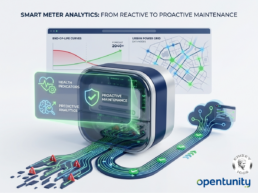
Enhancing Grid Reliability with OPENTUNITY’s Long-Term Asset Management Tool
Electricity networks are becoming increasingly dependent on digital field devices whose performance must be assessed over the full span of their service life. Among these assets, smart meters are particularly important, as their degradation can compromise data availability, increase maintenance effort, and ultimately affect the quality of grid operation.
Traditional asset replacement strategies, typically based on age or fixed maintenance intervals, are often too general to reflect the real condition and risk profile of such equipment. As grids become more digitalised, there is a growing need for more accurate and data-driven approaches to asset management.
A data-driven solution within OPENTUNITY
To address this need, ICCS has developed, within the OPENTUNITY project, a Long-Term Asset Management Tool focused on the reliability assessment of smart meters.
The solution leverages historical data from Advanced Metering Infrastructure
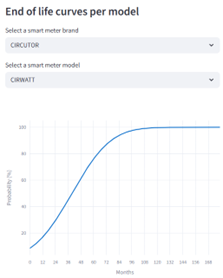
systems to model how assets age under real operating conditions. Based on this information, it estimates the probability of failure for different meter populations, providing system operators with a more realistic understanding of asset behaviour over time.
A key outcome of this analysis is the generation of End-of-Life curves for different types of smart meters. These curves help operators identify when specific models are expected to enter higher-risk phases, supporting more informed and timely decision-making.
From population trends to individual risk detection
In addition to long-term statistical analysis, the tool incorporates machine learning techniques applied to operational measurements. This allows the identification of individual devices that may present an increased risk of failure, even if they are not yet part of a broader trend.
By combining population-level insights with device-specific analysis, the tool enables early detection of potential issues and helps prevent failures before they become widespread.
Supporting decision-making through an intuitive interface
The Long-Term Asset Management Tool is supported by a user-friendly interface designed to facilitate its integration into daily operations. Through this platform, users can upload meter and substation data, review key performance indicators, and explore reliability trends across their asset base.
Operators can also compare the performance of different meter models, estimate expected failures over selected time horizons, and identify critical devices that require priority attention. The inclusion of geographic visualisation further supports this process, offering a clearer view of how risks are distributed across the network.
Towards proactive and efficient maintenance strategies
By linking statistical reliability analysis with data-driven risk detection, the tool provides utilities with a solid basis for medium- and long-term planning. It supports a transition from reactive maintenance practices to a more proactive and targeted approach, where decisions are based on actual asset condition rather than predefined schedules.
This shift enables better allocation of maintenance resources, reduces operational costs, and improves the overall reliability of the digital infrastructure that underpins modern power systems.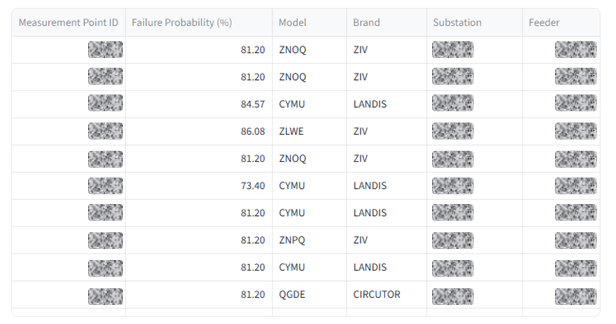
Strengthening the foundations of future power systems
As electricity networks continue to evolve, ensuring the reliability of digital assets such as smart meters becomes increasingly critical. The Long-Term Asset Management Tool developed within OPENTUNITY represents an important step in this direction, providing system operators with the tools they need to manage complexity and enhance grid resilience.
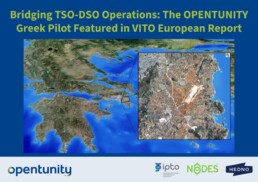
Bridging TSO-DSO Operations: The OPENTUNITY Greek Pilot Featured in VITO European Report
A recently published report by VITO for the European Commission, titled "Specification and design criteria for Local Flexibility Markets," has cast a spotlight on the innovative work being conducted within the OPENTUNITY project.
Specifically, the report features an in-depth look at the Greek Pilot, highlighting a successful interview and collaboration between the Greek TSO (IPTO), the market platform provider (NODESTM), and VITO researchers.
This recognition underscores OPENTUNITY’s role in "opening" the electricity ecosystem to multiple actors to create real decarbonization opportunities.
A Vision for TSO-DSO Coordination
The Greek Pilot, situated in the Mesogia area and interconnected islands such as Kea, Andros, and Tinos, is a cornerstone of the OPENTUNITY project. Its primary objective is to increase the digitization of both the DSO (HEDNO) and TSO (IPTO) while establishing critical synergies between them.
According to the VITO analysis, the Greek demo is one of the few initiatives in Europe moving toward a "Common Market" model.
In this setup:
- Both the TSO and DSO have access to the same flexibility assets connected at the distribution level.
- The market handles both congestion management and balancing services.
- Coordination is enhanced through a Federated Data Space Infrastructure, ensuring efficient and cybersecure data sharing.
Innovation in Action: The NODESTM Platform
The report details how the Greek Pilot utilizes the NODESTM market platform to facilitate these interactions.
By employing products like ShortFlexTM, the pilot allows for the activation of flexibility near real-time (2 hours ahead of delivery) to solve grid issues at boundaries where voltage is transformed from 150kV to 20kV.
This technical setup is designed to manage peaks at substations serving thousands of residential and commercial buildings, proving that small-scale consumer flexibility can support high-level grid stability.
Why This Matters for Europe
VITO’s report identifies the OPENTUNITY Greek demo as a key example of how to navigate the complexities of the upcoming Network Code on Demand Response (NC DR).
By testing these coordination mechanisms in real-world conditions, OPENTUNITY is providing the European energy sector with a blueprint for:
- Interoperability: Ensuring different software modules and actors can "talk" to each other.
- Market Efficiency: Minimizing procurement costs while maximizing the use of renewable energy.
- Active Consumers: Reducing energy costs for citizens who contribute their flexibility to the grid.
Looking Ahead
As OPENTUNITY continues its journey, the insights shared in the VITO report will help refine the project’s 12 core innovations.
The collaboration between HEDNO, IPTO, NODESTM, and VITO serves as a powerful reminder that the transition to a climate-neutral economy by 2050 requires not just new technology, but new ways for energy actors to work together.
📥 To explore the full VITO report and learn more about the Greek Pilot’s market design, visit our Library section: VITO – Specification and design criteria for local flexibility markets